Sump Pump & Flood Protection in East Flushing, Queens
Protecting below-grade boiler rooms, basements, and living spaces from hydrostatic groundwater seepage, failed pump switches, and municipal storm sewer surcharges across East Flushing.
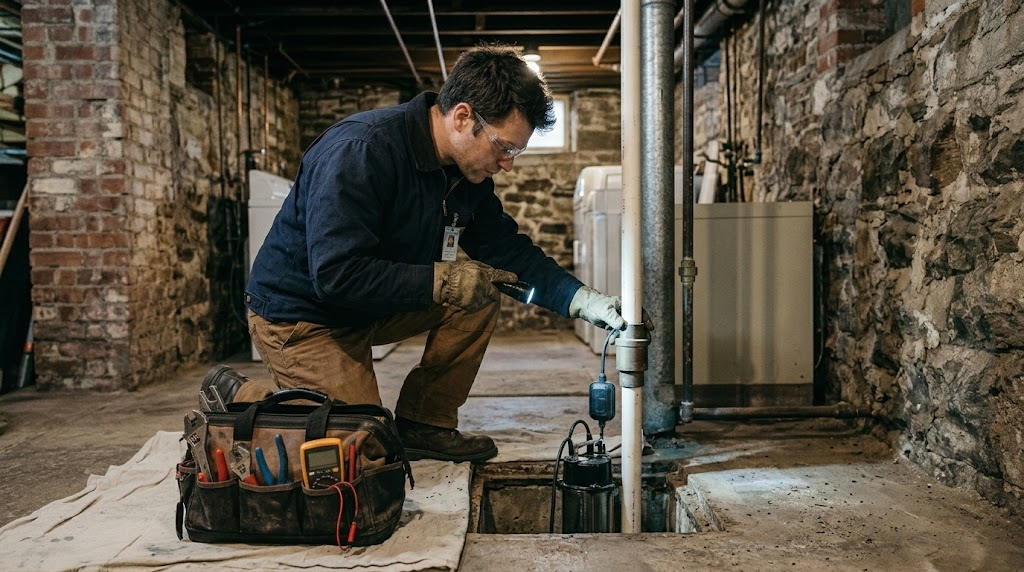
Basement Flooding & Groundwater Concerns in East Flushing
Basements throughout East Flushing and surrounding Queens communities face intense hydrostatic groundwater pressure during heavy seasonal rains, tropical remnants, and rapid snowmelts. Because boiler equipment, domestic water heaters, and electrical panels are traditionally positioned on cellar floor slabs, even two inches of standing water can submerge gas burner controls, extinguish pilot assemblies, and ruin heating systems. In severe cases, flooded basements require comprehensive boiler repair in East Flushing before heat can safely be restored.
When soil outside foundation walls becomes saturated, water forces its way through hairline concrete floor fissures and wall-floor cold joints. A properly installed submersible sump pump relieves this pressure by collecting water in a dedicated gravel-lined basin and pumping it away before it reaches the floor level.
Topography and Varied Flood Exposure
It is important to emphasize that flood exposure varies significantly across East Flushing. Properties bordering the green corridors of Kissena Park or situated along natural topographical depressions experience higher localized water tables than homes built on higher elevations toward Fresh Meadows. Sub-grade driveway ramps, rear stairwell areaways, and non-permeable paved lots also funnel surface runoff toward foundation walls. Sump pump capacity and flood mitigation strategies must be tailored to your home's specific site conditions rather than generic assumptions.
Submersible Pump Diagnostics: Floats, Impellers & Check Valves
A sump pump system is only as reliable as its weakest mechanical component. During service calls, our technicians inspect three critical elements: the mechanical vertical float switch, ensuring it moves freely without catching on the pit wall; the cast-iron vortex impeller, checking for pebble and silt clogs; and the inline check valve. If the rubber flapper inside the check valve tears or warps, discharged water in the vertical pipe falls straight back into the pit, forcing the pump to run continuously until its motor burns out.
Battery Backup Sump Pump Systems
The most dangerous storm events that bring torrential rainfall are the exact moments when overhead electrical utility lines are knocked down by high winds. A standard AC-powered sump pump is completely useless during a blackout unless equipped with an auxiliary battery backup system:
- Automated Emergency Activation: A secondary 12-volt DC pump is mounted four to six inches above the primary pump inside the basin. When water rises past the primary switch level—whether due to a power outage or primary pump burnout—the battery backup engages automatically.
- High-Capacity Deep-Cycle AGM Batteries: Powered by industrial-grade absorbed glass mat (AGM) marine batteries, modern backup systems can pump thousands of gallons over days of continuous storm activity.
- Smart Monitoring & Audible Alarms: State-of-the-art charger controllers alert property owners immediately with audible warning tones when the backup system is activated or when battery capacity degrades.
Backwater Valves for Sewer-Backup Defense
Not all basement flooding is clean groundwater. During intense downpours, New York City combined municipal storm and sanitary sewers frequently become overwhelmed, surcharging back into residential laterals. If municipal water levels rise above your basement drain elevation, city sewage will surge backward into your home through floor drains and utility sinks. Installing an approved backwater check valve on your main building drain creates a one-way barrier: building wastewater flows out, but city surcharges are physically blocked from reversing into your basement. Learn more about lateral pipe maintenance in our sewer line repair overview.
Limits of Sump Pumps & Flood-Prevention Equipment
While submersible pumps and backwater valves represent the gold standard in residential flood mitigation, they are mechanical safety devices with physical operating limits. They cannot compensate for unsealed exterior basement doors, broken window wells, or catastrophic street-level flash flooding. Routine quarterly testing, clearing sediment from the pit basin, and testing float operation before hurricane season ensure your flood defense equipment operates flawlessly when you need it most.
Frequently Asked Questions About Sump Pump Service
The most frequent causes of storm-related pump failure are utility power outages, a mechanical float switch jammed against the pit wall, a seized cast-iron impeller choked with gravel sediment, or a failed check valve that allows discharged water to cascade continuously back into the basin.
No. Flood risk varies depending on local topography, groundwater tables near parklands, soil permeability, and municipal storm sewer capacity. Properties situated in natural low-elevation dips or with sub-grade driveways face higher hydrostatic groundwater pressure than elevated properties.
A battery backup system includes a secondary, high-capacity 12-volt pump mounted slightly higher in the pit, connected to a dedicated deep-cycle marine AGM battery and smart charging controller. If storm winds knock out grid power or the primary AC pump fails, the auxiliary pump triggers automatically.
A backwater valve is a mechanical one-way check valve installed on your main building drain. When torrential rains overload municipal street sewers, the valve's flapper automatically swings shut, preventing pressurized municipal sewage from backing up into your basement drains.
Safeguard Your Basement Against Storm Flooding
Ensure your sump pump, check valves, and battery backups are fully operational before the next major storm. Contact us now.